Literary Norfolk Header and Logo
 

The Brecks

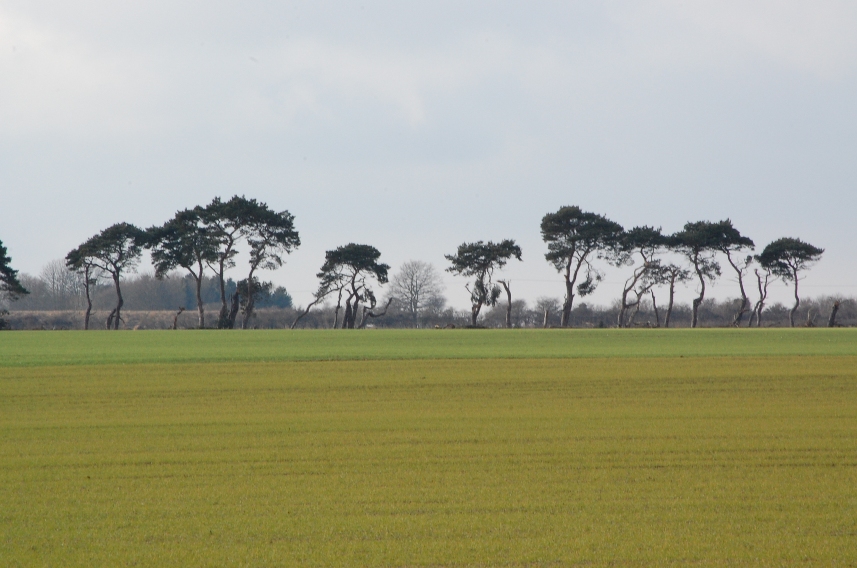
The Brecks is a large area of land covering part of south west Norfolk and part of north west Suffolk. The area is characterised by poor sandy soils (with a high flint concentration) and sparse woodland. The word breck derives from 'broken' land. As the land was of limited use for agriculture - much of the the area was historically used for rabbit warrens - as place-names such as: Thetford Warren, Santon Warren and Wangford Warren remind us'.

Looking at the Norfolk map, it can be seen that the area supports a smaller population than other parts of Norfolk - as evidenced by the widely spaced villages. Today, the area continues to be under populated - largely due to the creation of the Stanford Training Area (STANTA) - which is still used by the army for manoeuvres.

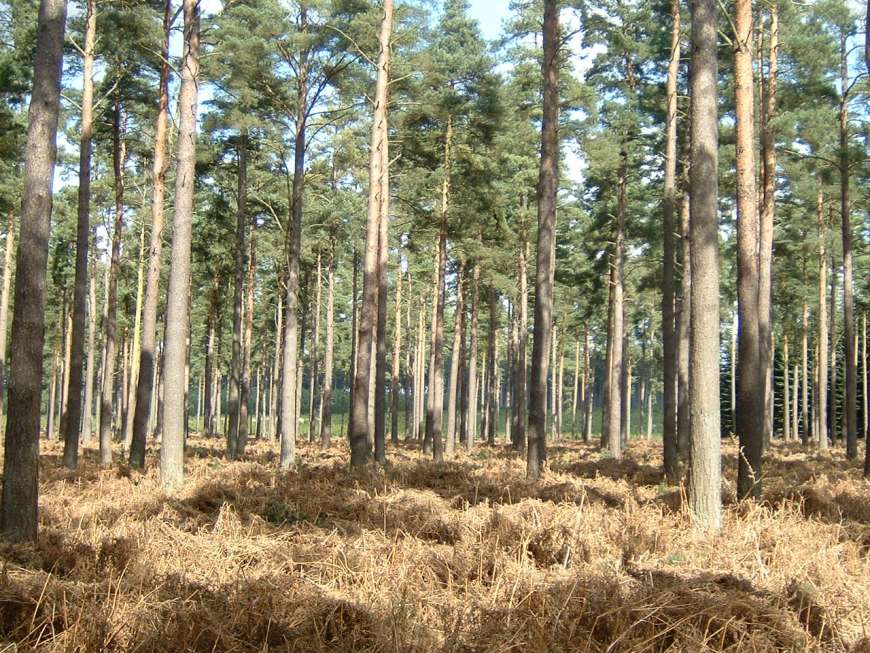
Ironically, the Brecks is now the site of the largest lowland pine forest in the country - in the form of Thetford Forest - which is managed by the Forestry Commission. The forest was established during World War I to provide timber for the war effort. However, while it helped to stabilise the 'shifting sands' it also unfortunately destroyed hundreds of acres of traditional heathland and endangered species such as the stone curlew.

Thetford Forest

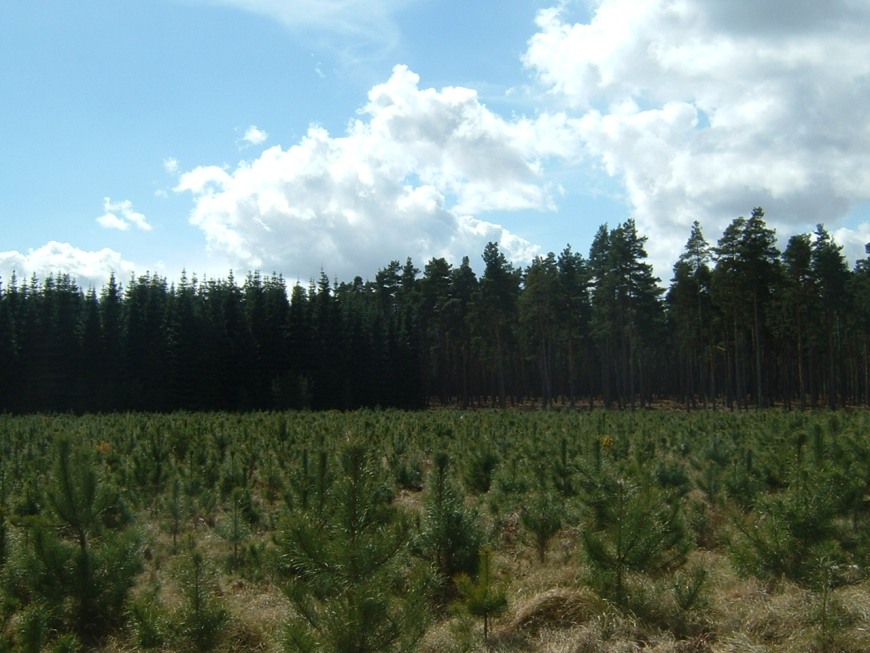
Young Conifers in Thetford Forest

The Brecks has historically been prone to dust storms with the sandy soil blowing in vast quantities across the landscape. Here is a passage from the diarist John Evelyn (who was a friend of Thomas Browne) from 1677:
 

'The Travelling Sands.......that have so damaged the country, rouling from place to place, like the Sands in the Deserts of Lybia, quite overwhelmed some gentleman's whole estates.'


There have been a number of writers whose work has been influenced or set in the region including the novelist Mary Mann - who lived and is buried in Shropham, Michael Home (aka Christopher Bush) - who was born at Great Hockham and John and Colin Middleton Murray who lived at Larling.

Colin Middleton Murray once got lost on a school trip to Grimes Graves - a Neolithic flint mine with a strange pock-marked surface - an experience which terrified him and which he later recorded in his autobiography One Hand Clapping.

One of the most famous writers from the area was Thomas Paine - the political radical whose works were extremely influential in France, America and England. There is a statue of him in King Street in Thetford - the town where he was born and educated. Michael Foot (MP) described Paine as 'the greatest exile that has ever left England's shores'.

The poet Henry Howard, Earl of Surrey (1517-1547) was born in the village of Kenninghall in Kenninghall Palace - the remains of which are now part of Place Farm. Henry Howard was one of the pioneers of the sonnet in English poetry.

However, the Brecks is probably best remembered today for its links with the TV sitcom Dad's Army. Between 1967 and 1977 the cast and crew used to travel up to Thetford and stay in The Anchor or Bell Hotels and much of the exterior filming for the series was carried out in and around Thetford, Thetford Forest or on the Stanford Battle area. In fact, Thetford Guidhall was transformed into the Walmington-on-Sea town hall. Councillors in Thetford are currently considering erecting a statue of Capt. Mainwaring to commemorate the town's links with the much loved comedy series. See Norfolk Film and TV Locations.

 
Links:

The Brecks

Visit Breckland

Search the Site


Supported by Norfolk County Council logoSupported by Norfolk Tourism


About Us | Poems by Cameron Self | Advertise on Literary Norfolk

©Cameron Self 2007                                                                                                                 Hosted by UK Web.Solutions Direct